

That is usually when the panic sets in. It’s that specific moment when an unexpected car repair or a medical bill lands on the kitchen table and the math just doesn’t work. The immediate instinct is to look for the fastest exit possible, which often leads people straight into the trap of high-interest lenders.
Payday lenders thrive on this urgency. They offer quick cash with almost zero friction, but the cost of that convenience is a predatory APR that makes it nearly impossible to catch up. Most people think a payday loan is the only way to bridge a gap, but they are often ignoring much more sustainable options that don’t involve a cycle of debt.
When you look at the actual mechanics of these loans, they are designed to fail the borrower. The structure ensures that by the time your next paycheck arrives, the original debt plus the fees make it nearly impossible to pay back the full amount. This is why looking for payday loan alternatives is more than just a financial suggestion; it is a survival strategy for anyone living paycheck to paycheck.
But the reality is that people don’t have time to sit around comparing interest rates when they need fifty dollars for gas today. They need liquidity. They need a way to get through the next week without a predatory lender taking a massive chunk of their next two checks. The market has changed, though. There are now several tiers of options that range from “instant and small” to “formal and structured.”
The Rise of Earned Wage Access Apps
The most significant shift in the last few years involves the emergence of cash advance apps. These apps represent a fundamental change in how people access their own money. Instead of borrowing from a third party at a high cost, these platforms let you take a small loan against your future paychecks. It is essentially an early payout of money you have already earned but haven’t received yet.
Options such as Earnin, MoneyLion, Brigit, and Chime can offer fast access to funds without the traditional, crushing interest rates found in storefront payday shops. These apps often work by linking to your bank account and tracking your direct deposits. They see that you’ve worked the hours, so they let you access a portion of that cash immediately. It is a digital version of asking your boss for an advance, but it is automated and handled through an app.
The primary benefit here is the lack of a traditional “loan” structure. Because you are accessing earned wages, the cost is often a small subscription fee or a “tip” rather than a 400% APR. This is a much cleaner way to handle a small cash crunch. You aren’t digging a hole; you’re just moving your timeline forward by a few days.
There are, however, some caveats to watch out for. These apps aren’t a substitute for a steady budget. If you consistently use an app to pay for essentials because your paycheck is too small, you are still in the same cycle of poverty, just with a different user interface. It is a tool for emergencies, not a lifestyle choice. Using them to bridge a gap is smart; using them to fund a lifestyle is a recipe for disaster.
Bridging the Gap with Non-Bank Lenders
If a small cash advance doesn’t cover the bill, the next step is usually a larger, more formal loan. Many people assume that “bad credit” means they are locked out of everything except payday lenders. This is factually incorrect. There is a middle ground between a high-interest payday loan and a traditional bank loan that requires a perfect FICO score.
Companies like OppLoans, RiseCredit, NetCredit, and FigLoans function differently than traditional banks. These lenders often offer lower APRs than payday lenders, and some don’t check your credit score at all. They tend to look at other factors to determine if you can pay them back. This makes them a viable middle ground for people who need more than a hundred dollars but can’t walk into a Chase or Bank of America branch.
The trade-off is that while the APR is lower than a payday loan, it is still significantly higher than a standard personal loan from a credit union. You are paying for the speed and the accessibility. You are paying for the fact that they are willing to take a risk on your credit profile that a traditional bank would not. It’s a calculated risk for the lender, and you are paying for that risk through interest.
When comparing these options, it is helpful to look at the structure of the debt. A payday loan is a single lump sum due on a specific date. A signature loan or an installment loan is repaid over several months. This distinction matters. A monthly payment is often much more manageable than a massive lump sum that wipes out your entire next paycheck (which is how the debt cycle truly begins).
Consider these common alternatives for different needs:
- Cash Advance Apps: Best for small, immediate needs (under $250) to avoid overdraft fees.
- Signature Loans: Best for larger emergencies where you can afford a monthly installment.
- Credit Union Loans: Best for those with decent credit who can wait a few days for approval.
- Personal Loans: Best for debt consolidation or larger, planned expenses.
Navigating the Credit Landscape for Emergencies
When a true emergency hits, the kind that requires $1,000 or $2,000 immediately, the strategy has to change. You cannot solve a $2,000 problem with a $50 cash advance app. This is where people often make their biggest mistakes. They try to stack multiple small loans, and before they know it, they owe more than they could ever hope to repay in a single year.
If you need a significant amount of cash quickly and have less-than-perfect credit, you should look into “Bad Credit Signature Loans.” These are unsecured loans that do not require collateral. They are safer than payday loans because they are structured with fixed terms. You know exactly how much you owe each month and when the debt will be gone. This predictability is the only way to maintain any semblance of financial control.
Some lenders specifically market themselves to those with low credit scores. They might not look at your score, but they will look at your income and your employment history. They want to see that you have a steady flow of money coming in. If you have that, you have much more leverage than you think. You have options that do not involve the predatory math of the storefront lenders.
It is important to understand the “5 C’s of borrowing” even if you aren’t talking to a banker. Lenders are looking at Character, Capacity, Capital, Collateral, and Conditions. Even if a lender says they don’t check credit, they are still evaluating your “Capacity”—your ability to pay the money back based on your income. If your capacity is low, your interest rate will be high. There is no way around that mathematical reality.
| Feature | Payday Loan | Cash Advance App | Signature Loan |
|---|---|---|---|
| Typical APR | 300% – 500%+ | Low/Subscription Fee | 50% – 150% |
| Repayment Term | Two weeks | Next payday | 6 – 24 months |
| Credit Impact | High (if defaulted) | Minimal | Variable |
Strategic Debt Management and Risk Mitigation
The goal should never be just to “get the money.” The goal is to solve the immediate crisis without creating a secondary, larger crisis. This requires a level of discipline that is difficult to maintain when you are in a state of financial panic. You have to step back and look at the math before you sign anything or tap an app.
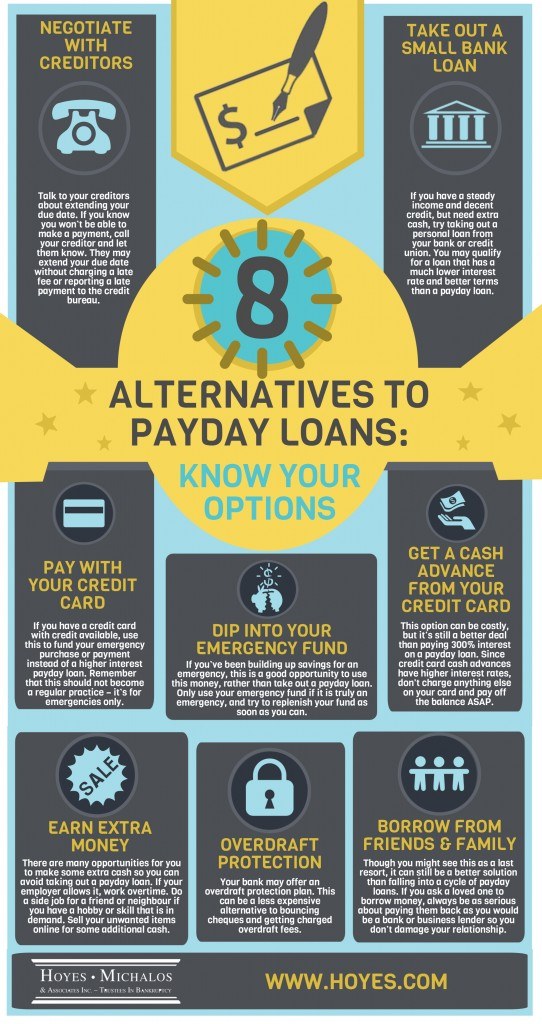
If you find yourself needing to borrow money, try this hierarchy of options. First, look for free money or low-cost relief. Can you call your utility company and ask for a payment extension? Can you talk to your landlord about a one-time grace period? Many companies have programs for people in hardship that they don’t advertise. This is the cheapest way to solve a problem, and it costs zero interest.
Second, if you must borrow, go for the smallest amount possible. If you need $400, do not take a $600 loan just because the lender offered it. That extra $200 is just extra interest you are handing over for no reason. Third, use the tools available to you, cash advance apps and credit union micro-loans, before you ever consider a high-interest installment loan or a payday loan.
And if you are already in a cycle of debt, the priority shifts from “borrowing” to “rebuilding.” This means looking at credit counseling services or negotiating with creditors. The debt you are in today is often the result of an emergency, but the debt you have tomorrow will be a result of the terms you agree to today. You have more control over your financial future than the lenders want you to believe.
Stop treating debt like a temporary fix when it’s actually a long-term trap.
A few things readers ask
Can I get a payday loan with really bad credit?
Yes, many payday lenders focus on employment status rather than credit scores, but these loans carry extremely high interest rates and fees.
What are the 5 C's of borrowing?
The 5 C's are Character, Capacity, Capital, Collateral, and Conditions, which lenders use to assess your creditworthiness.
How to get $2000 dollars fast with bad credit?
Options include personal loans from online lenders, credit union PALs, or securing a cash advance from your employer, though interest rates will vary based on your score.
What are the cheapest ways to borrow money?
The most cost-effective options are typically credit union loans, personal loans from traditional banks, or borrowing from friends and family.
What are the best alternatives to a payday loan?
Consider credit union payday alternative loans (PALs), cash advance apps, or secured personal loans to avoid predatory interest rates.
